Review
SimpliSafe Glassbreak Sensor Review
Updated 2026 06 10 · 9 min read

SimpliSafe
SimpliSafe Glassbreak Sensor - 20ft. Range - Sound Detection Technology - Compatible with The SimpliSafe Home Security System - Latest Gen
Editorial score: 9.0 / 10
View Latest Price on AmazonBottom line
Whole-room window protection that catches the threat entry sensors miss: a smashed pane.
The Glassbreak Sensor listens for breaking glass across a whole room, up to 20 feet. It is the smart add-on for living rooms, basements, and any space with large windows or sliders, especially the areas your outdoor cameras do not fully cover. One sensor can protect several windows at once.
What we love
- A single sensor covers a whole room of windows up to 20 ft, instead of a contact on every pane
- Peel-and-stick, wireless, battery-powered setup installs in minutes, with included screws for a permanent mount
- Instant SimpliSafe app alerts integrate with the rest of your system for self or professional response
What we don't
- Works with the latest Gen 3 SimpliSafe system only, not earlier generations or other brands
- As an acoustic sensor, placement and room acoustics matter; loud non-glass noises can require positioning tweaks
Specifications
| Detection | Sound detection of breaking glass, up to 20 ft range |
|---|---|
| Alerts | Instant phone alerts via the SimpliSafe app |
| Power | Wireless, with a long-lasting battery included |
| Installation | Peel-and-stick, shelf placement, or wall/ceiling mount with included screws |
| Compatibility | Latest-generation SimpliSafe (Gen 3) home security system |
| Best placement | Central spot in rooms with multiple windows, sliders, or glass doors |
| Price tier | $ — see Amazon for current pricing |
Most break-ins are imagined as a door being forced open, but plenty start with a window being smashed, especially on a back patio slider or a basement window out of view. The SimpliSafe Glassbreak Sensor exists for exactly that scenario. Instead of detecting an opening, it listens for the unique acoustic signature of shattering glass and triggers the alarm the moment it hears it.
Why a glassbreak sensor
Entry sensors and glassbreak sensors solve different problems. An entry sensor fires when a door or window is opened along its hinge or track. But an intruder who breaks the glass and climbs through, without ever "opening" the window the normal way, can defeat a contact sensor on that same window. The glassbreak sensor closes that gap by reacting to the sound of breaking glass itself.
This also makes it a great companion to cameras. If your outdoor cameras do not cover every side of the house, a glassbreak sensor placed inside a room with lots of windows gives you interior detection for the angles your cameras miss. Layered together, cameras watch the approach, entry sensors watch the doors, and glassbreak sensors watch the panes.
Whole-room coverage
The headline advantage is coverage efficiency. With up to a 20-foot detection range, a single sensor can protect an entire room's worth of windows. That is a big deal in spaces like a living room with a wall of windows, a sunroom, a finished basement, or a room with a large sliding glass door. Instead of mounting a contact on every individual pane, you place one sensor centrally and let it listen to the whole space.
That efficiency keeps your frames clean and your costs down in glass-heavy rooms. Rather than buying and maintaining many individual window contacts, one well-placed glassbreak sensor handles the room. It is the most economical way to cover a space where the windows are the weak point.
Placement and false alarms
Because it is an acoustic sensor, placement is the whole game. You want the sensor within range of the glass you are protecting, with a relatively clear line of sound to the windows. Central placement in the room, on a shelf, wall, or ceiling, usually works best. Avoid tucking it inside a cabinet, behind heavy curtains, or in a spot where furniture muffles the room.
The tradeoff with any sound-based sensor is the occasional false trigger. Dropped dishes, certain TV or movie audio, and other sharp household noises can be a factor. The fix is testing: try the placement, see how it behaves with your normal household sounds, and adjust the position if needed. Most owners find that once they dial in placement, detection is reliable and false alarms are rare.
Install and integration
Setup is in line with the rest of the SimpliSafe ecosystem: peel-and-stick adhesive, wireless operation, and a pre-installed long-lasting battery, so most people can add coverage in minutes without tools. Included screws are there if you want a permanent wall or ceiling mount. From there, you add it through the SimpliSafe app and name it like any other sensor.
Once it is part of the system, the glassbreak sensor behaves like the rest of your SimpliSafe setup: it can trigger the alarm and send instant app alerts, and if you use professional monitoring, it can route into that same response workflow. That integration is the point. It is not a standalone gadget; it is one more layer in a coordinated system.
What owners are saying
Owners frequently praise how easy the sensor is to install and add to an existing SimpliSafe setup, and many call out the extra peace of mind it brings to living rooms and basements with large glass areas. People like that one sensor can cover multiple windows and appreciate the instant app alerts when a glassbreak event is detected.
The critical feedback is consistent and manageable: you may need to test placement to avoid false alarms from loud sounds like dropped dishes or certain TV audio. That is inherent to acoustic detection rather than a flaw in this specific sensor, and overall ratings stay high for reliability and simplicity once it is positioned correctly.
Editor notes
Adding this glassbreak sensor feels like a smart way to protect rooms with big windows or sliding doors without cluttering the frames with multiple devices. Setup through the SimpliSafe app is straightforward, and once placed, it quietly watches the entire space so I only get alerts when something serious, like real glass breaking, should be happening.
Who it's for
This is an easy add for SimpliSafe Gen 3 owners who have rooms with large windows, sliders, or glass doors and want a single, unobtrusive sensor instead of many window contacts. It is especially valuable for interior coverage in areas your outdoor cameras do not fully see. Skip it only if you are not on the Gen 3 platform or if your windows are small enough that individual entry sensors already cover them well.
Best for
- SimpliSafe Gen 3 rooms with large windows, sliders, or glass doors
- Living rooms and basements where one sensor covers many panes
- Interior coverage for areas your outdoor cameras miss
Skip if
- You do not have a SimpliSafe Gen 3 base system
- You use an older SimpliSafe generation or a different brand
- Your windows are already well covered by individual entry sensors
Alternatives to consider
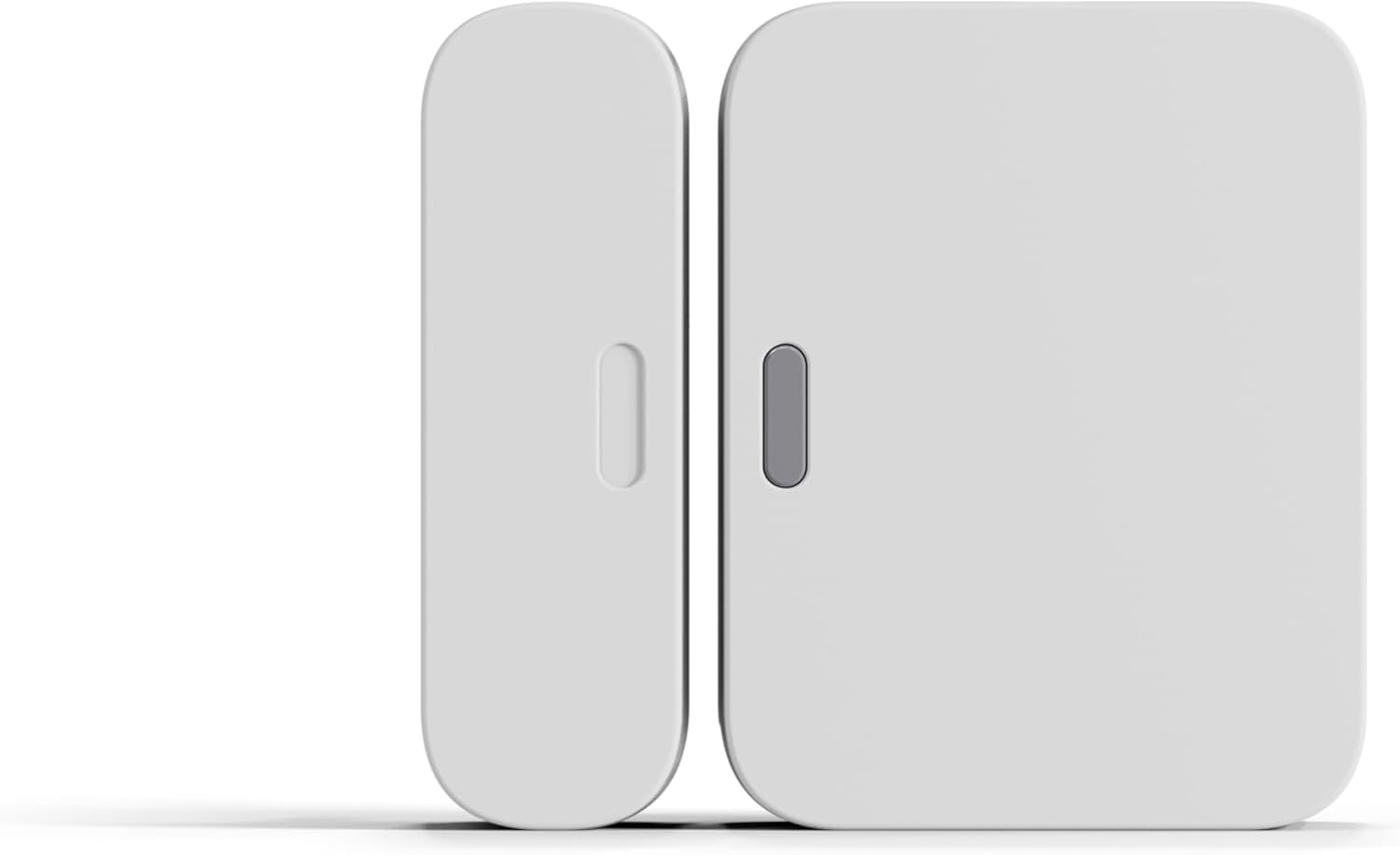
SimpliSafe Entry Sensor (Door & Window)
Pair with entry sensors so opened doors and smashed windows are both covered.
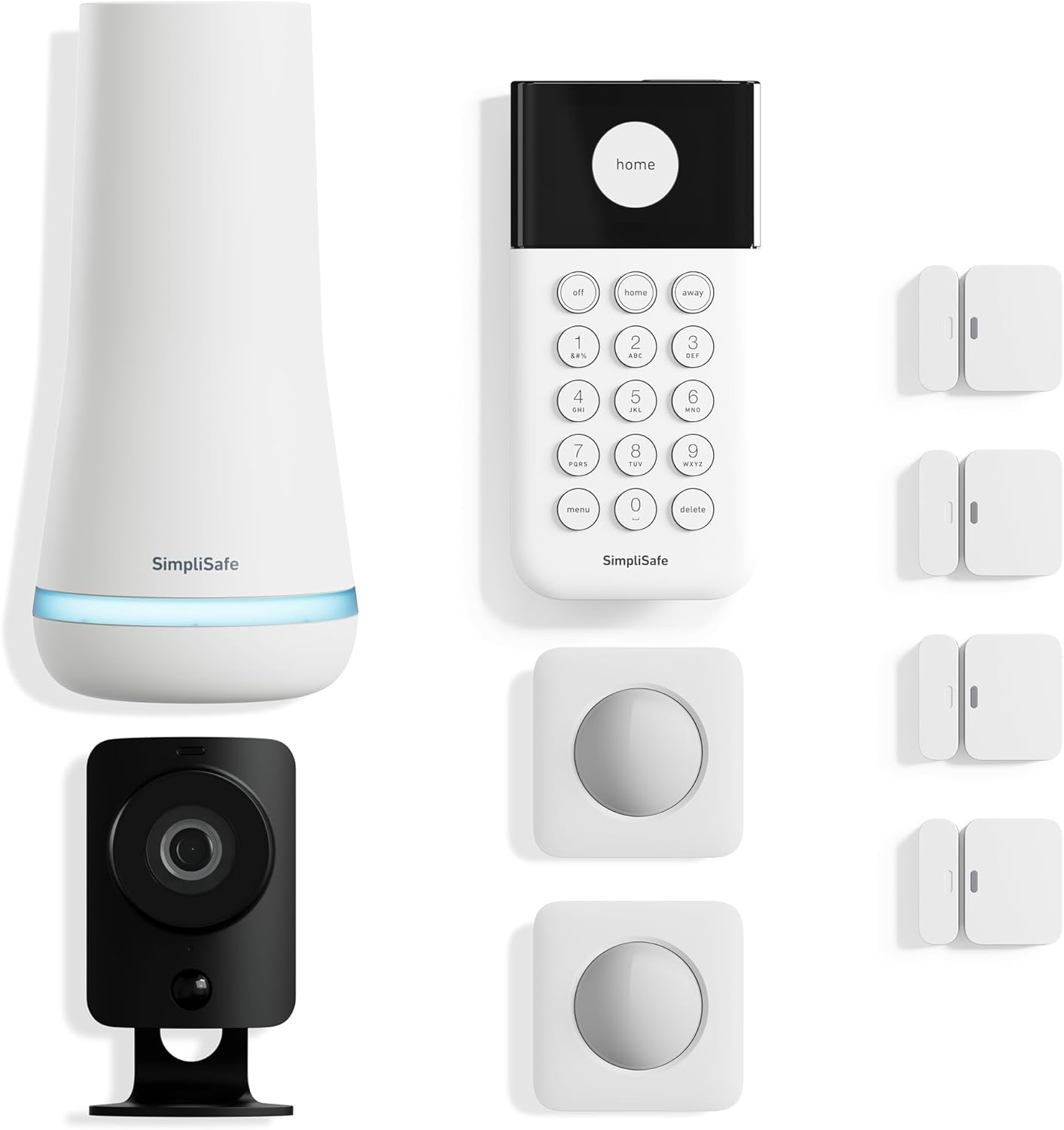
SimpliSafe 8 Piece Wireless Security System
Start here for the base system, then add glassbreak sensors to glass-heavy rooms.
Frequently asked questions
How is a glassbreak sensor different from an entry sensor?
An entry sensor detects a door or window being opened. A glassbreak sensor listens for the unique sound of glass shattering, so it can catch a smashed window that is never opened normally. They are complementary, not interchangeable.
How much area does one sensor cover?
It detects breaking glass up to about 20 feet away, so a single sensor can protect a whole room with several windows or a large sliding door rather than needing a contact sensor on each pane.
Will it cause false alarms?
Placement and room acoustics matter. Loud non-glass sounds like dropped dishes or certain TV audio can be a factor, so it is worth testing positioning to balance reliable detection with minimizing false triggers.
Is it compatible with all SimpliSafe systems?
No. It works with the latest-generation SimpliSafe (Gen 3) home security system, not earlier SimpliSafe generations or other alarm brands.
Affiliate note: BestPrimeDayDeals.com is a participant in the Amazon Services LLC Associates Program. We may earn a commission when you buy through links on this page, at no extra cost to you. Read our full disclosure.