Review
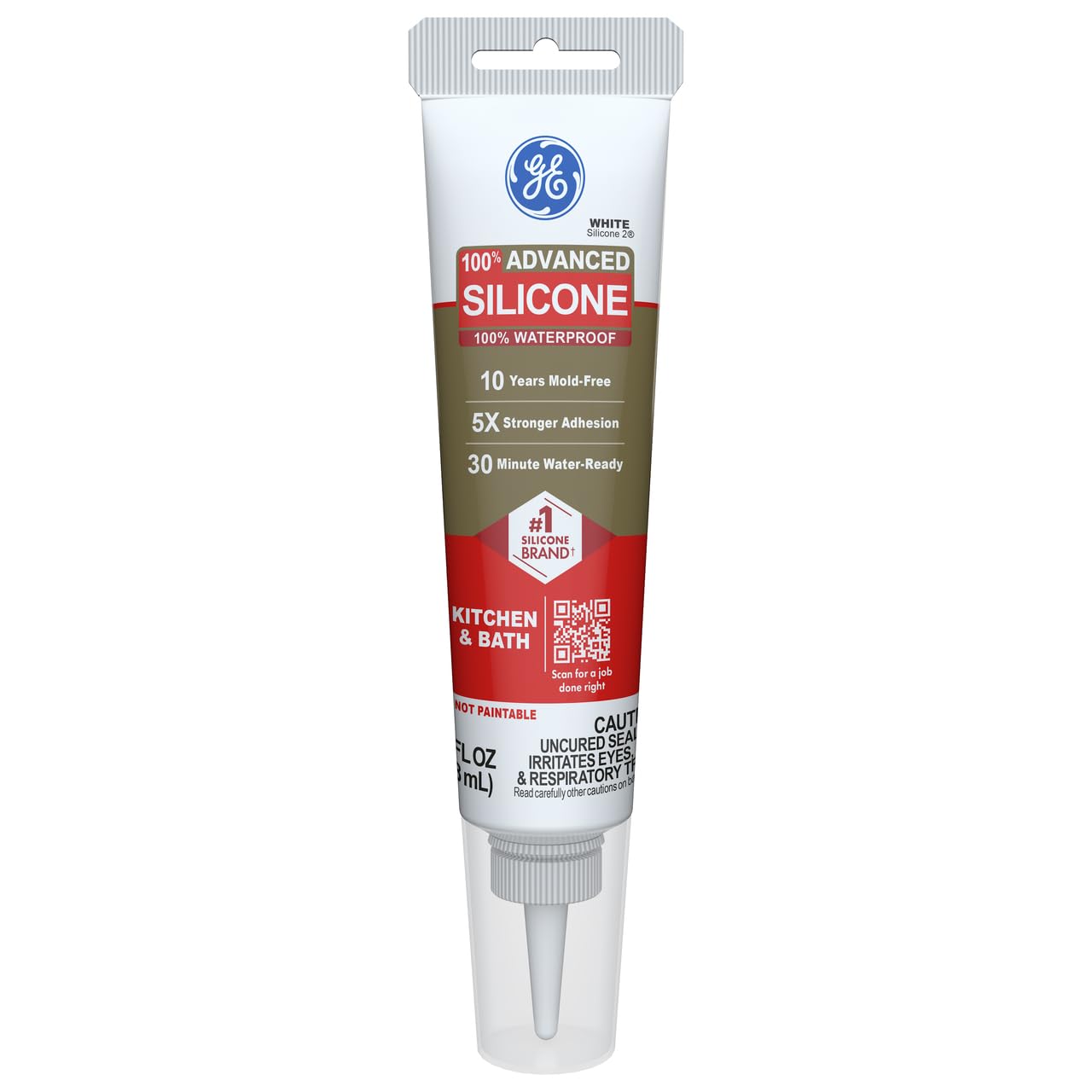
GE Advanced Silicone Caulk for Kitchen & Bathroom, White, 2.8 fl oz Tube Review
Updated 2026 05 05 · 9 min read
GE
GE Advanced Silicone Caulk for Kitchen & Bathroom, White, 2.8 fl oz Tube
Editorial score: 9.0 / 10
View Latest Price on AmazonBottom line
Professional-grade, 100% waterproof silicone sealing made fast and easy.
For small kitchen and bath touch-ups—think sink rims, short backsplash gaps, or spot fixes around tile—this white squeeze tube is a credible shortcut: true silicone, a neutral-cure formula that keeps fumes down, and a quick path back to water exposure. Treat it as a specialty tool, not a bulk sealant. If you are re-doing a full tub surround or a long counter seam, you will get better economy from a standard cartridge and a caulking gun.
What we love
- Fast timeline to water exposure for a bathroom repair
- Highly flexible for joints that move so seals are less likely to crack or pull away
- Low odor makes tight, poorly ventilated bathrooms more pleasant to work in
What we don't
- The 2.8 fl oz squeeze tube is sized for very small jobs and touch-ups
- Silicone can smear if you rush the bead or cut the tip too wide
Specifications
| Waterproofing | 100% waterproof silicone |
|---|---|
| Water-ready time | 30 minutes (per manufacturer) |
| Adhesion | 5× stronger adhesion (per manufacturer vs. branded baseline) |
| Flexibility | 40% more flexible than standard sealants (per manufacturer) |
| Formula | Low-odor neutral cure |
| Size / color | 2.8 fl oz squeeze tube, white |
| Price tier | $ — see Amazon for current pricing |
Professional-grade, 100% waterproof silicone sealing made fast and easy. This review focuses on how the GE Advanced Silicone tube behaves where it matters: adhesion at wet edges, flexibility when countertops and trim shift, cure time before the shower goes back in service, and whether the small format is a feature or a limitation.
Performance and sealing quality
In kitchens and bathrooms, caulk is not decorative tape—it is a moisture barrier. Acrylic caulks are often easier to tool and paint, but silicone is the usual choice around sinks, tubs, and tile where standing water, steam, and daily cleaning products are the norm. This GE Advanced line is positioned as a waterproof silicone with marketing emphasis on adhesion strength and flexibility versus older, stiffer sealants. Stronger grab matters when a bead has to bridge a slightly uneven joint or hang onto glazed ceramic; flexibility matters six months later when humidity swings and seasonal movement cause rigid beads to tear.
The 30-minute “water-ready” claim is the smoking gun for a busy household. Full cure still takes longer, but being able to run water cautiously after a short wait is the difference between finishing a Sunday project and leaving a sink out of commission overnight. Treat any manufacturer timeline as a guideline: follow prep and temperature notes on the packaging, keep the first exposure gentle, and do not soak a fresh bead just because the clock says so.
Neutral-cure, low-odor silicone is not magic “no smell,” but it is usually easier to live with than old-school acetoxy formulas that announce themselves through the whole house. If you have ever abandoned a half-done bathroom because the fumes drove you out, that difference alone can determine whether a repair actually gets finished.
Squeeze tube, bead work, and mess control
The 2.8 fl oz squeeze tube is the entire story. For a caulking gun user, the pitch is simple: no gun, no extra nozzle buy, and less setup when you only need six inches of clean white sealant. That makes it an excellent “keep one in the drawer” product for landlords, renters who are allowed to maintain fixtures, and anyone who winces at dragging tools out for a ten-minute fix.
The tradeoff is volume. One continuous tub surround seam or a long run of countertop-to-backsplash can eat more material than you expect once you tool the joint and wipe away waste. For larger projects, a standard cartridge is usually cheaper per ounce and gives you a consistent feed rate. This tube shines when the job is small but finicky: a drip edge behind a faucet, a hairline separation at a soap dish, a quick refresh before guests arrive.
Mess is the real failure mode. Silicone does not clean up with water the way latex does. Cut a modest opening on the tip, keep the tube at a steady angle, let pressure off before you lift away, and have painter’s tape and a small supply of mineral spirits or the manufacturer-recommended cleanup handy. If the opening is too wide, you will lay down more product than the joint needs and spend half your time scraping shine off tile.
What owners are saying
Across thousands of shopper ratings, a few themes repeat. People like the convenience of a squeeze tube for quick fixes, especially when a full-size tool setup feels silly. Fast cure—and the promise of returning fixtures to service—comes up constantly in high-moisture areas. Many note that waterproof confidence and relatively mild odor matter more in a small bathroom than in a garage project. Negative notes usually boil down to scope mismatch: buyers who expected to reseal an entire bath with one mini tube, or who had trouble controlling the bead on the first try. If you know the format going in, expectations stay realistic.
Editor notes
This squeeze tube saved me from having to drag out my heavy caulking gun for a simple bathroom sink touch-up. It dried extremely fast, and the low odor was a huge relief in a small bathroom.
Who it’s for
Best for
- Quick home repairs when time and fumes are both tight
- Small kitchen and bathroom touch-ups around sinks, tile, and trim
- Casual DIYers who want real silicone without committing to a gun
Skip if
- You are sealing long seams or full surrounds and need more material (and lower cost per ounce) from a full cartridge
- You need a color other than white and are not planning to coordinate with paint or another finish strategy
Frequently asked questions
How soon can the sealed joint get wet?
The manufacturer cites about 30 minutes before water exposure under typical conditions. Temperature, humidity, and bead thickness all move that number; be gentle with the first rinse and follow the label.
Why choose the squeeze tube instead of a caulking gun?
It is ideal when you only need a short bead—sink rim, small tile gap, quick rental touch-up—without setting up a full gun. Full cartridges are cheaper per ounce on long seams.
Can I paint over white silicone later?
Most paint does not adhere well to cured silicone without a bond-promoting primer. Plan the finish: either stay with white where it should read as caulking, or use a system meant for paint-over silicone.
How do I keep the bead neat?
Snip a small nozzle opening, keep steady pressure and angle, tape both sides of wide joints if you need training wheels, and tool with a lightly soapy finger or dedicated tool before skin forms.
Affiliate note: BestPrimeDayDeals.com is a participant in the Amazon Services LLC Associates Program. We may earn a commission when you buy through links on this page, at no extra cost to you. Read our full disclosure.